
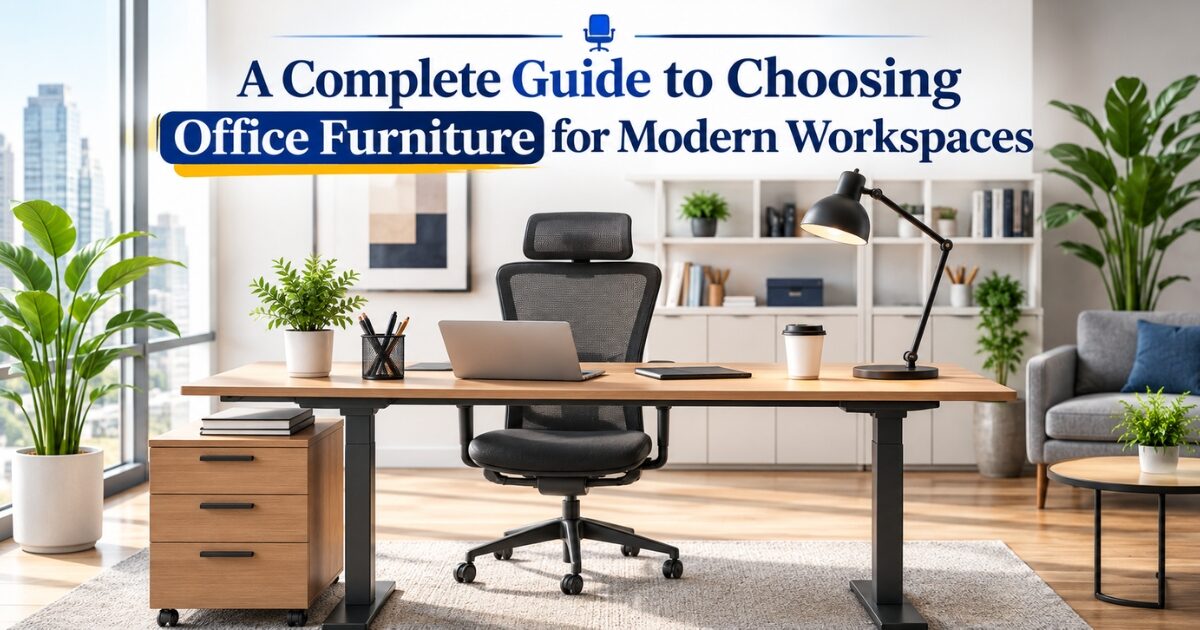
Creating a productive, comfortable, and professional workplace begins with selecting the right office furniture. Whether you are furnishing a startup office, expanding a corporate workspace, or redesigning an existing environment, every piece of furniture contributes to employee well-being, workflow efficiency, and the overall impression your business leaves on clients and visitors.
Today’s modern workplaces are no longer designed solely around desks and chairs. Businesses are investing in ergonomic seating, flexible workstations, collaborative meeting spaces, and storage solutions that support productivity while reflecting company culture. Choosing the right furniture is an investment that can improve employee satisfaction, reduce workplace fatigue, and maximize available space.
In this comprehensive guide, we’ll explore the essential considerations when selecting office furniture, helping organizations make informed purchasing decisions that deliver long-term value.
Understand the Needs of Your Workplace Before Purchasing
Every organization operates differently, which means there is no universal furniture solution suitable for every office. Before selecting desks, chairs, storage cabinets, or conference tables, businesses should carefully evaluate how employees work throughout the day. A sales office, for example, often requires collaborative spaces and meeting rooms, while accounting departments typically benefit from quiet workstations with organized storage.
Understanding workflow helps determine furniture layout, storage requirements, and traffic flow. Instead of focusing solely on appearance, organizations should prioritize functionality. Modern office furniture should support daily operations while providing enough flexibility for future business growth.
Another important consideration is available floor space. Efficient furniture planning prevents overcrowding and ensures employees can move comfortably throughout the office. Proper spacing also contributes to workplace safety and creates a more welcoming environment for customers and business partners.
Balancing Functionality with Professional Design
Furniture should enhance productivity without sacrificing aesthetics. Clean lines, coordinated finishes, and consistent materials help create a professional atmosphere that reflects the company’s brand identity. While visual appeal is important, every desk, cabinet, or chair should serve a practical purpose.
Organizations often achieve the best results by combining functional layouts with modern design principles. This approach creates workspaces that feel organized, efficient, and inviting for both employees and visitors.
Prioritize Ergonomic Office Furniture for Employee Well-Being
One of the most significant trends in workplace design is the growing emphasis on ergonomics. Employees spend many hours sitting, typing, attending meetings, and using computers. Poor-quality furniture may contribute to discomfort, reduced concentration, and long-term health concerns.
High-quality ergonomic office furniture supports natural body posture and encourages healthier working habits. Adjustable chairs, sit-stand desks, monitor arms, and properly positioned accessories can significantly improve comfort throughout the workday.
Investing in ergonomic solutions often delivers measurable benefits beyond employee comfort. Businesses frequently experience increased productivity, improved morale, and reduced absenteeism when workstations are designed around employee needs.
Selecting the Right Office Chair
The office chair is arguably the most important furniture investment in any workplace. Adjustable seat height, lumbar support, armrests, breathable materials, and reclining functions all contribute to long-term comfort.
Rather than purchasing based solely on price, organizations should evaluate durability, warranty coverage, and adjustability. A well-designed chair may last for many years while providing consistent support to employees working full-time.
Choosing Workstations That Encourage Productivity
Modern workstations should provide enough surface area for computers, documents, and everyday office equipment without creating unnecessary clutter. Adjustable-height desks have become increasingly popular because they allow employees to alternate between sitting and standing during the day.
This flexibility encourages movement and may help reduce fatigue associated with prolonged sitting, creating a healthier working environment.
Choose Durable Materials That Offer Long-Term Value
Office furniture should be viewed as a long-term investment rather than a short-term expense. Materials significantly influence durability, maintenance requirements, and overall appearance. Businesses should select products capable of withstanding daily use while maintaining a professional appearance over time.
Steel frames, commercial-grade laminate, solid wood, reinforced plastics, and high-quality upholstery are commonly selected for modern office environments because they combine strength with attractive finishes.
Durable furniture reduces replacement costs and minimizes disruptions caused by repairs or damaged equipment. Organizations that prioritize quality often achieve a lower total cost of ownership throughout the furniture’s lifecycle.
Maintenance Matters
Easy-to-clean surfaces help maintain a hygienic and organized workplace. Furniture used in reception areas, conference rooms, and shared workspaces should resist stains, scratches, and everyday wear. Selecting low-maintenance materials also reduces cleaning costs while preserving a professional appearance.
Create Flexible Spaces for Collaboration and Growth
Modern workplaces are evolving rapidly as hybrid work models and collaborative projects become more common. Furniture should support these changing needs by offering flexibility without requiring complete office renovations.
Modular desks, movable meeting tables, mobile storage cabinets, and adaptable seating arrangements allow organizations to reconfigure spaces quickly. This flexibility is especially valuable for growing businesses that expect future expansion or organizational changes.
Rather than purchasing fixed layouts that become outdated, companies should invest in scalable solutions capable of adapting alongside business requirements.
Meeting Rooms and Shared Areas
Conference rooms and collaborative workspaces deserve the same level of planning as individual workstations. Comfortable seating, appropriately sized tables, integrated cable management, and presentation-friendly layouts contribute to productive meetings and professional client interactions.
Well-designed shared spaces encourage teamwork while supporting both formal presentations and informal discussions.
Consider Storage Solutions That Improve Organization
An organized office promotes efficiency and reduces unnecessary distractions. Storage furniture should provide adequate space for documents, office supplies, equipment, and personal belongings without overwhelming the workspace.
Modern storage systems often combine functionality with contemporary design, allowing businesses to maintain clean, uncluttered environments. Lockable cabinets, mobile pedestals, shelving units, and filing systems help employees locate materials quickly while protecting sensitive information.
Choosing coordinated storage furniture also contributes to a consistent office appearance, reinforcing professionalism throughout the workplace.
Supporting Hybrid and Digital Work Environments
As organizations continue embracing digital workflows, storage requirements are changing. While fewer paper files may be needed, employees often require secure spaces for laptops, accessories, collaboration equipment, and personal items. Modern storage solutions should accommodate these evolving workplace needs while remaining adaptable for future changes.
Select Furniture That Reflects Your Brand Identity
Office furniture communicates more than functionality—it also represents the organization’s professionalism and culture. Clients, vendors, and job candidates often form first impressions based on the appearance of reception areas, conference rooms, and employee workspaces.
Consistent colors, coordinated finishes, and thoughtfully selected furniture create an environment that reinforces trust and confidence. Whether your organization prefers a traditional executive appearance or a contemporary collaborative atmosphere, every furniture choice should support your overall brand image.
Well-designed workplaces also contribute to employee pride, helping create a positive company culture that attracts and retains talented professionals.
Partner with a Trusted Office Furniture Supplier
Choosing the right supplier is just as important as selecting the furniture itself. Reliable suppliers provide access to quality products, knowledgeable recommendations, dependable inventory, and responsive customer support throughout the purchasing process.
Businesses benefit from working with suppliers capable of offering complete workplace solutions rather than isolated products. From ergonomic chairs and executive desks to storage systems and collaborative furniture, an experienced supplier helps organizations create cohesive work environments tailored to their operational needs.
In addition to product quality, dependable delivery schedules, competitive pricing, and after-sales support all contribute to a successful furniture investment.
Final Thoughts
Selecting the right office furniture involves much more than choosing attractive desks and chairs. Organizations should carefully evaluate employee needs, workspace functionality, ergonomic support, material durability, flexibility, storage requirements, and brand consistency before making purchasing decisions.
Modern offices demand furniture that supports productivity while adapting to evolving business environments. Investing in high-quality office furniture helps create healthier workplaces, improves operational efficiency, and leaves a lasting professional impression on employees, customers, and business partners alike.
Whether furnishing a new office or upgrading an existing workspace, thoughtful planning and quality products will ensure your investment continues delivering value for years to come.
:::writing{}