
Every healthcare facility, regardless of its size, depends on reliable medical supplies to provide safe, efficient, and high-quality patient care. From hospitals and outpatient clinics to long-term care centers and private medical practices, having the right products readily available helps healthcare professionals respond quickly to patient needs while maintaining compliance with safety standards.
Choosing the essential medical supplies for a healthcare facility is more than simply purchasing products. It requires careful planning, quality assurance, and a dependable supplier capable of meeting ongoing operational demands. By investing in trusted equipment and consumables, healthcare organizations can improve patient outcomes, streamline workflows, and reduce unnecessary operational risks.
Building a Reliable Foundation for Everyday Patient Care
Every medical environment functions through a combination of skilled healthcare professionals and dependable medical resources. While physicians and nurses provide expertise, their effectiveness depends heavily on having immediate access to high-quality supplies. Whether treating emergency cases or performing routine examinations, the availability of the right products ensures that patient care remains uninterrupted.
Facilities that consistently maintain their inventory experience fewer delays, improved workflow efficiency, and better patient satisfaction. A shortage of even a basic item can interrupt clinical procedures, increase waiting times, and place unnecessary pressure on medical staff. For this reason, healthcare administrators should prioritize inventory management alongside purchasing decisions.
Another important consideration is product quality. Selecting certified and durable medical supplies reduces the likelihood of equipment failure while supporting infection prevention protocols. Reliable products not only protect patients but also create a safer working environment for healthcare professionals.
Five Categories of Medical Supplies Every Facility Should Prioritize
Personal Protective Equipment Protects Everyone
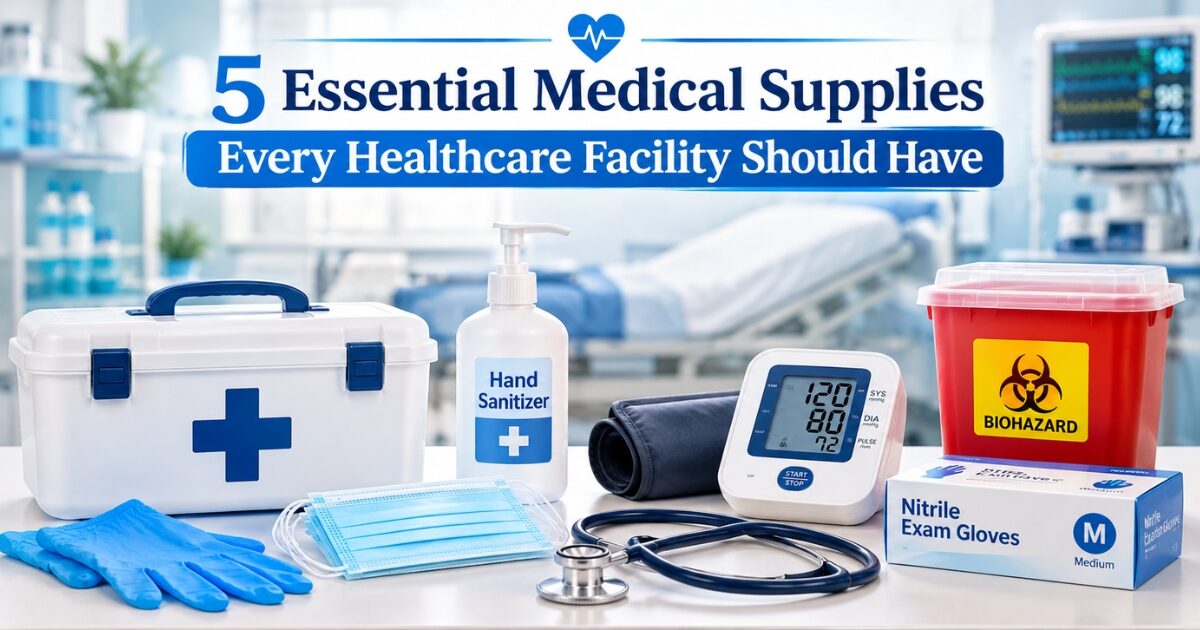
One of the most important investments for any healthcare organization is personal protective equipment, commonly referred to as PPE. Items such as disposable gloves, surgical masks, isolation gowns, face shields, protective eyewear, and respirators create a critical barrier between healthcare workers and infectious agents.
Healthcare professionals interact with patients throughout the day, often in environments where exposure to bacteria, viruses, and bodily fluids is unavoidable. High-quality PPE minimizes contamination risks while helping organizations comply with infection control guidelines. During periods of increased patient volume or public health emergencies, maintaining sufficient PPE inventory becomes even more essential.
Facilities should also evaluate comfort, durability, and certification when selecting PPE products. Comfortable equipment encourages proper usage throughout long work shifts, while certified materials provide confidence that products meet recognized healthcare standards.
Diagnostic Equipment Supports Accurate Clinical Decisions
Accurate diagnosis begins with dependable diagnostic tools. Blood pressure monitors, digital thermometers, pulse oximeters, stethoscopes, otoscopes, examination lights, and patient monitoring devices allow clinicians to gather essential information before determining appropriate treatment plans.
Modern diagnostic equipment provides faster readings and greater accuracy than ever before. These improvements enable healthcare professionals to identify potential health concerns earlier, monitor patient progress effectively, and make informed medical decisions with confidence.
Regular calibration and maintenance are equally important. Even the highest-quality diagnostic devices require routine inspection to ensure consistent performance. Healthcare facilities that establish preventive maintenance schedules reduce downtime and extend equipment lifespan while maintaining patient safety.
Wound Care Products Promote Faster Recovery
Proper wound management plays a significant role in preventing infection and encouraging healing. Healthcare providers require a steady supply of sterile gauze, adhesive bandages, surgical tape, absorbent dressings, antiseptic solutions, wound cleansers, and compression materials for both routine treatment and emergency care.
Different patients require different wound care solutions depending on age, medical condition, and injury severity. Having multiple product options available allows clinicians to customize treatment plans while minimizing complications during recovery.
High-quality wound care supplies also improve patient comfort. Advanced dressings designed to manage moisture, reduce irritation, and protect damaged tissue contribute to faster healing while decreasing the frequency of dressing changes.
Medical Consumables Keep Daily Operations Running Smoothly
Every healthcare facility relies on a continuous supply of disposable products that support routine medical procedures. Syringes, needles, specimen containers, IV supplies, medical tubing, disposable drapes, examination paper, alcohol wipes, cotton swabs, and disposable cups are used countless times each day.
Although these products may appear simple, they form the backbone of daily clinical operations. Running out of consumables can interrupt patient appointments, delay treatments, and create unnecessary operational challenges. Effective procurement planning helps ensure that inventory levels remain sufficient throughout the year.
Healthcare organizations should partner with suppliers capable of delivering consistent product availability and competitive pricing. Reliable supply chains reduce the likelihood of shortages while allowing facilities to manage budgets more effectively.
Emergency Response Supplies Save Valuable Time
Medical emergencies often occur without warning, making preparedness a top priority for every healthcare provider. Emergency response supplies such as automated external defibrillators, emergency oxygen equipment, trauma kits, suction devices, emergency medications, splints, and first aid supplies enable medical teams to respond immediately when every second matters.
Emergency equipment should be inspected regularly to verify expiration dates, battery condition, and operational readiness. Staff training is equally important because well-maintained equipment delivers maximum value only when healthcare professionals know how to use it effectively under pressure.
Facilities that regularly review emergency preparedness protocols strengthen their ability to respond quickly during critical situations while improving patient survival and recovery outcomes.
How Quality Medical Supplies Improve Healthcare Performance
Investing in premium medical supplies delivers benefits that extend well beyond individual patient interactions. Reliable products help reduce clinical errors, improve operational efficiency, and create greater confidence among healthcare professionals. High-quality equipment typically requires less frequent replacement, lowering long-term ownership costs while improving overall reliability.
Patients also notice the difference. Clean, modern, and dependable equipment contributes to a positive healthcare experience, reinforcing trust in the facility’s commitment to safety and professionalism. Positive patient experiences often translate into stronger community reputation and increased patient retention.
From an administrative perspective, standardized purchasing simplifies inventory management, supports regulatory compliance, and creates greater purchasing consistency across multiple departments. Facilities that work with trusted suppliers benefit from streamlined procurement processes and dependable product availability.
Choosing the Right Medical Supply Partner
Selecting a supplier involves more than comparing product prices. Healthcare organizations should evaluate inventory availability, delivery reliability, customer support, product certifications, and overall industry experience. A dependable supplier becomes an extension of the healthcare team by ensuring that critical products arrive on time and consistently meet quality expectations.
Organizations that source products from experienced distributors often gain access to broader product selections, knowledgeable support teams, and flexible procurement solutions designed for facilities of various sizes. These partnerships allow healthcare providers to focus on patient care instead of supply chain challenges.
For many organizations, establishing a long-term relationship with a trusted procurement partner creates operational stability while supporting future growth. Consistent product quality and responsive customer service contribute to smoother purchasing experiences and greater confidence in inventory planning.
Supporting Better Healthcare Through Smart Procurement
Healthcare facilities operate in environments where quality, efficiency, and reliability are essential. Maintaining the right inventory of essential medical supplies helps clinicians deliver exceptional care while protecting patients and staff. Personal protective equipment, diagnostic devices, wound care materials, medical consumables, and emergency response products all play vital roles in supporting successful healthcare operations.
By prioritizing product quality and partnering with a trusted supplier, healthcare organizations can strengthen patient safety, improve operational efficiency, and prepare for both routine care and unexpected emergencies. Investing in dependable medical supplies today creates a stronger foundation for delivering outstanding healthcare services tomorrow.